Medlitics blog · EN
De-Identification of Health Data: A Practical Overview
De-identified data can support research and service improvement while protecting privacy. A practical overview of methods and pitfalls.
By Michael Fasere · Founder & CEO, Medlitics · Last reviewed November 26, 2026
Health data can improve services and research, but privacy must come first. De-identification of health data reduces the risk that individuals can be identified.
What it means
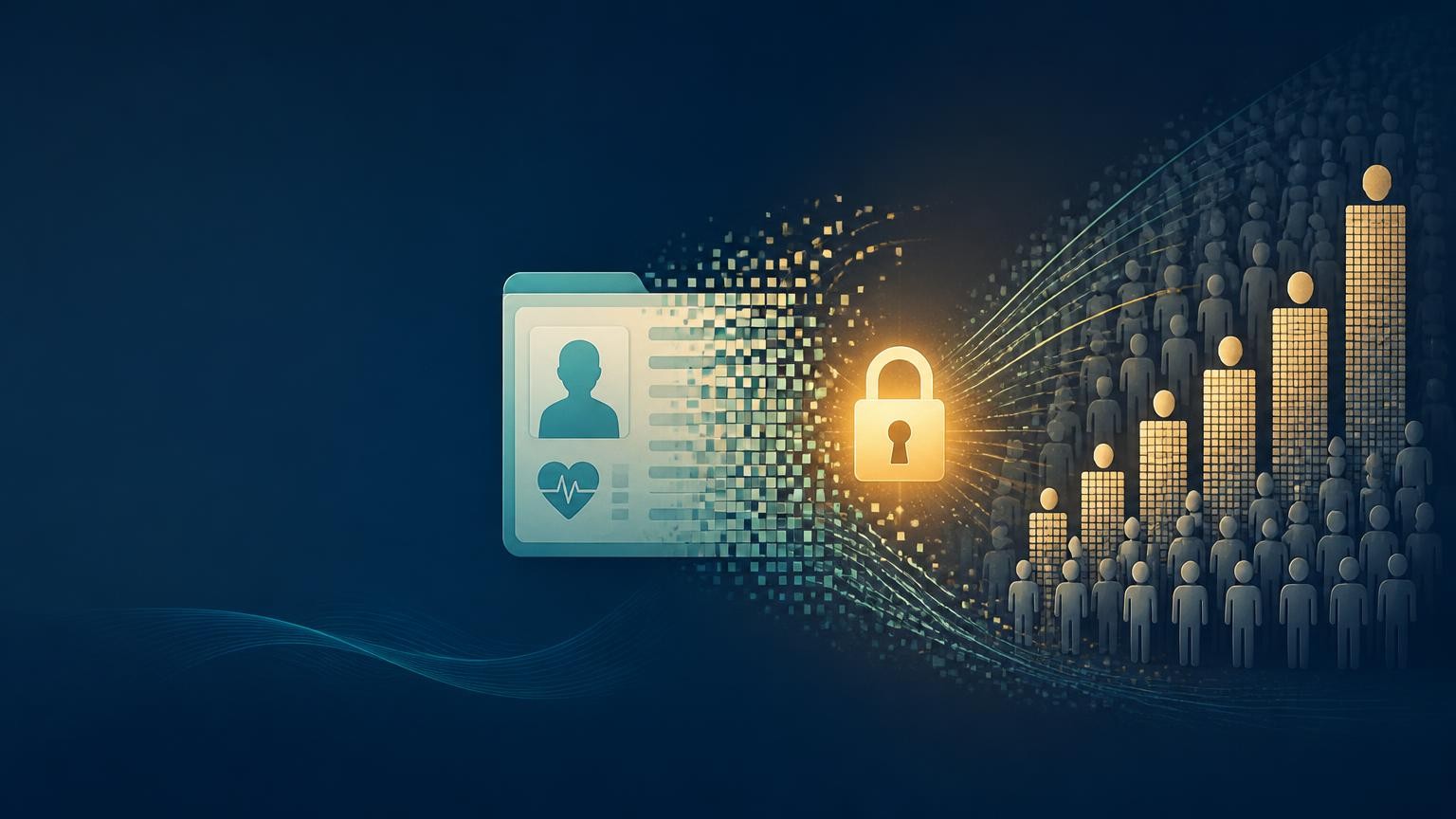
De-identification removes or transforms information that could identify a person, such as names, addresses, dates and record numbers.
Common methods
• Removing direct identifiers such as names and contact details
• Generalising detail, for example reporting age bands or the year rather than full dates
• Aggregation, reporting groups rather than individuals
• Pseudonymisation, replacing identifiers with random codes
Standards
In the US, HIPAA describes "Safe Harbor" and "Expert Determination" methods. Other jurisdictions have their own definitions, and some treat pseudonymised data as still personal.
The risk of re-identification
Combining datasets, or rare characteristics, can allow re-identification. Free-text notes are particularly risky.
Good practice
1. Share the minimum data needed
2. Prefer aggregated results
3. Remove free text or review it carefully
4. Use agreements that prohibit re-identification
5. Document the method used
Our approach
Medlitics follows a documented de-identification procedure and shares only de-identified, aggregated insight, with consent.
Frequently asked questions
Is de-identified data the same as anonymous data?
Not always. Some laws treat pseudonymised data as still personal. Truly anonymous data cannot reasonably be linked back to a person.
What is the HIPAA Safe Harbor method?
A US method that removes 18 specified identifiers, including names, most geographic detail and dates other than the year.
Why is free text risky?
Notes can contain names, places and rare details that allow re-identification, so they need removal or careful review.
Related reading
• Why Cybersecurity Is Patient Safety in Digital Health (/blog/cybersecurity-is-patient-safety)
• Health Data Protection in Nigeria and Kenya: What Providers Must Know (/blog/health-data-protection-nigeria-kenya)
Learn about Medlitics (https://medlitics.com)
This article is general information, not legal or regulatory advice.
Sources
Community
Comments (0)
A respectful space for health conversations.
Sign in to join the conversation.
View comments
No comments yet. Be the first to share a helpful thought.